
Common Rail piezo injectors require more than simply making the injector operate. A professional validation process must create controlled conditions and produce reliable, comparable figures that help the technician understand how the injector responds.

From collected volume to the injection event
The traditional Common Rail method measures delivered quantity by collecting test fluid in a graduated vessel over a known number of injections. It provides a useful volumetric result, but the final volume alone does not explain what happened during each injection event.
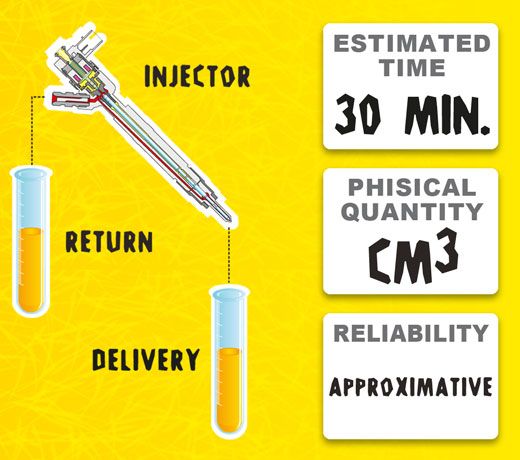
The DIT31 approach observes two fundamental parameters of the event: injection time, from nozzle opening to nozzle closing, and the pressure variation during that interval. Reading the event in this way adds information about injector response rather than reducing the test to a final collected volume.

What DIT31 observes during validation
Injection time
Injection time is the interval between nozzle opening and nozzle closing. It is essential for understanding how long the hydraulic event actually lasts and, together with the pressure variation, contributes to the evaluation of delivered quantity.
Return and internal leakage
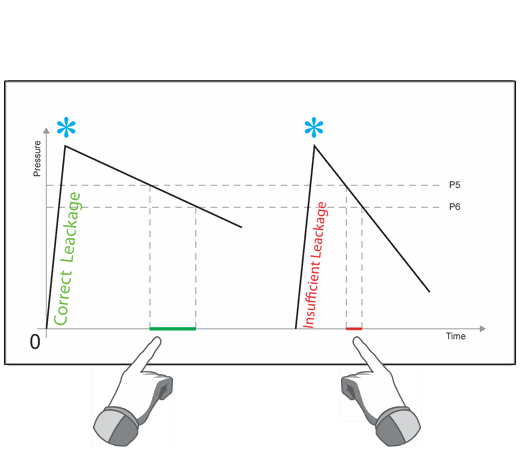
With the injector pressurized and pressure generation stopped, the pressure decay provides information related to internal return and leakage. Comparing the decay behaviour helps distinguish an acceptable condition from excessive internal leakage.
Opening delay
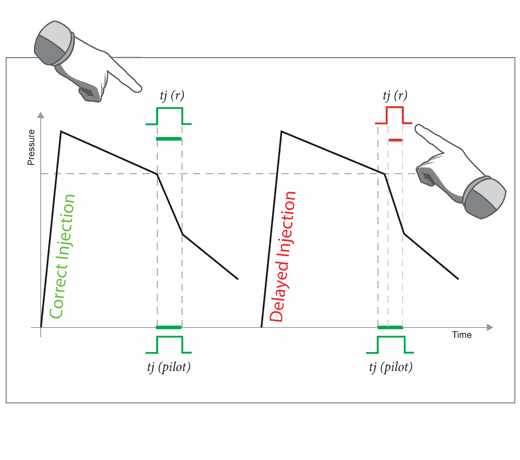
Opening delay is the time required to translate the electrical command into mechanical nozzle movement. Two injectors can receive the same command and still respond differently; that difference is diagnostically relevant.

Pressure variation and delivered quantity
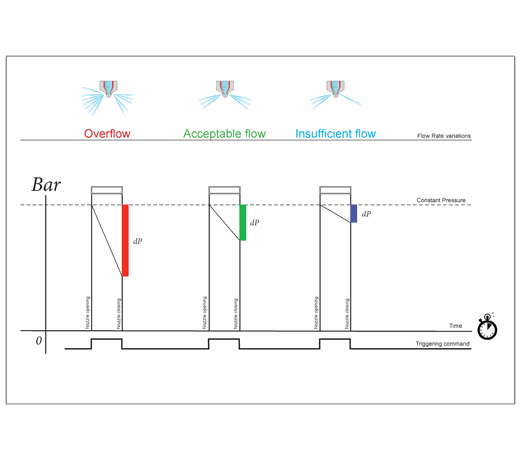
For each injection event, DIT31 evaluates the pressure difference between nozzle opening and closing. Combined with injection time, this helps characterize the injected quantity and makes it possible to compare injector behaviour under controlled conditions.
Piezo actuator control
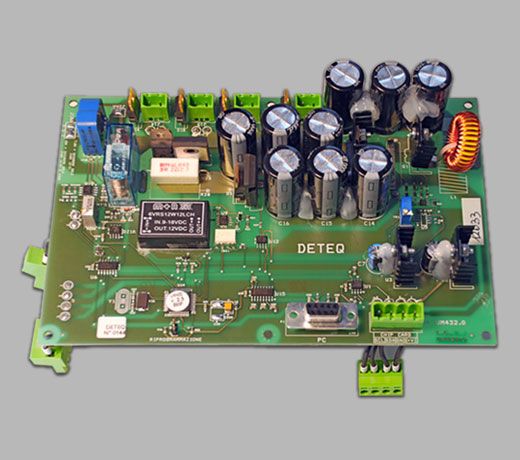
Piezo injectors add a specific requirement: the actuator must be driven correctly and the test sequence must protect the component. On the DIT31 architecture, actuator control is handled through the external TC38 with the dedicated CRP module.
Protecting the piezo actuator before energization
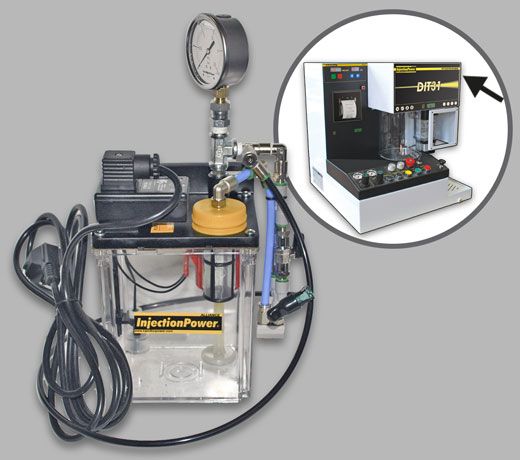
A piezo actuator must be properly lubricated before it is energized. The dedicated PiezoDevice 87.20.116 was developed for existing DIT31 installations to address this specific test condition and reduce the risk of damaging the actuator during preparation and validation.
One validation methodology across injector technologies
The value of DIT31 is not that every injector is identical. It is that different injector technologies can be approached through a consistent validation methodology while respecting the specific requirements of each technology.
Explore the DIT31 injector validation technology, the broader diesel injector testing approach, and how this capability fits into an Injector Clinic.
How to Validate Common Rail Piezo Injectors